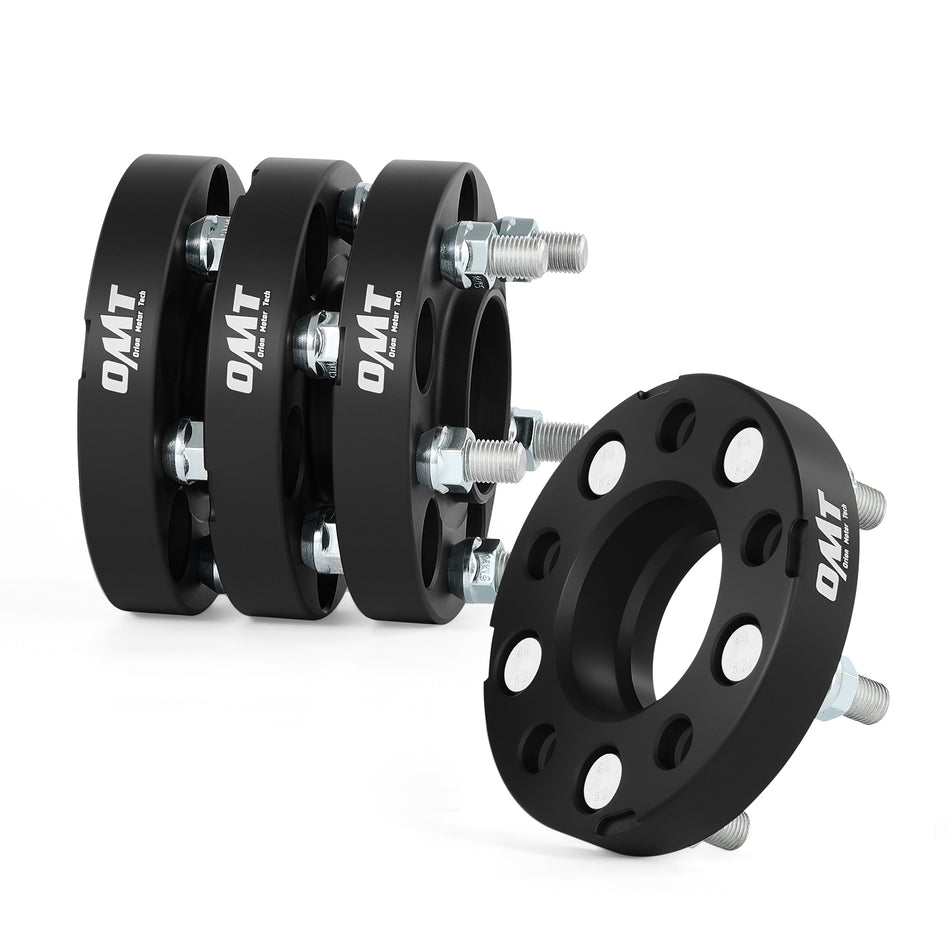
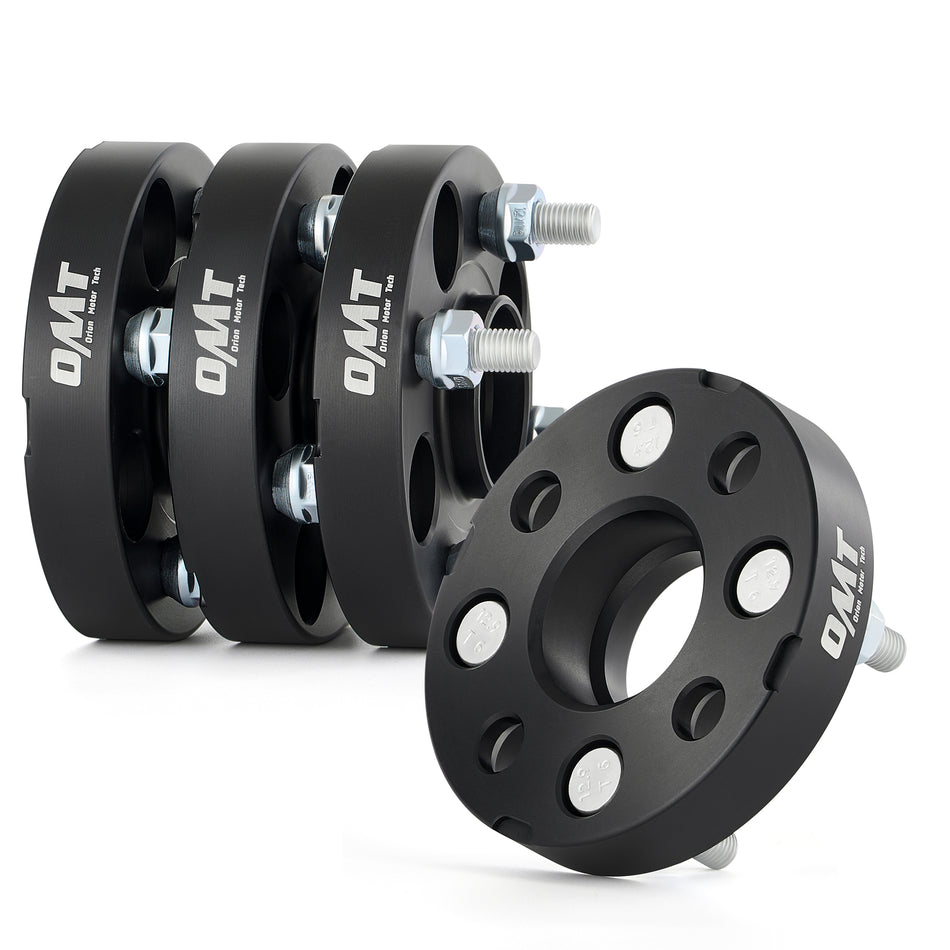
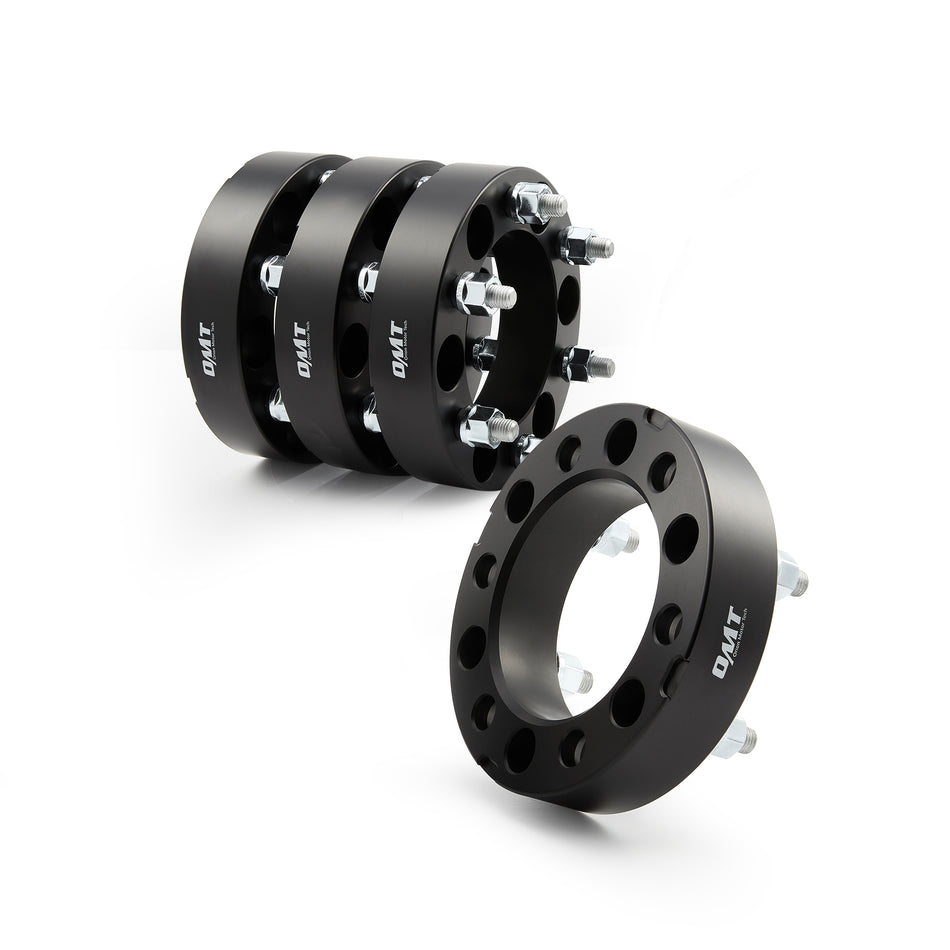
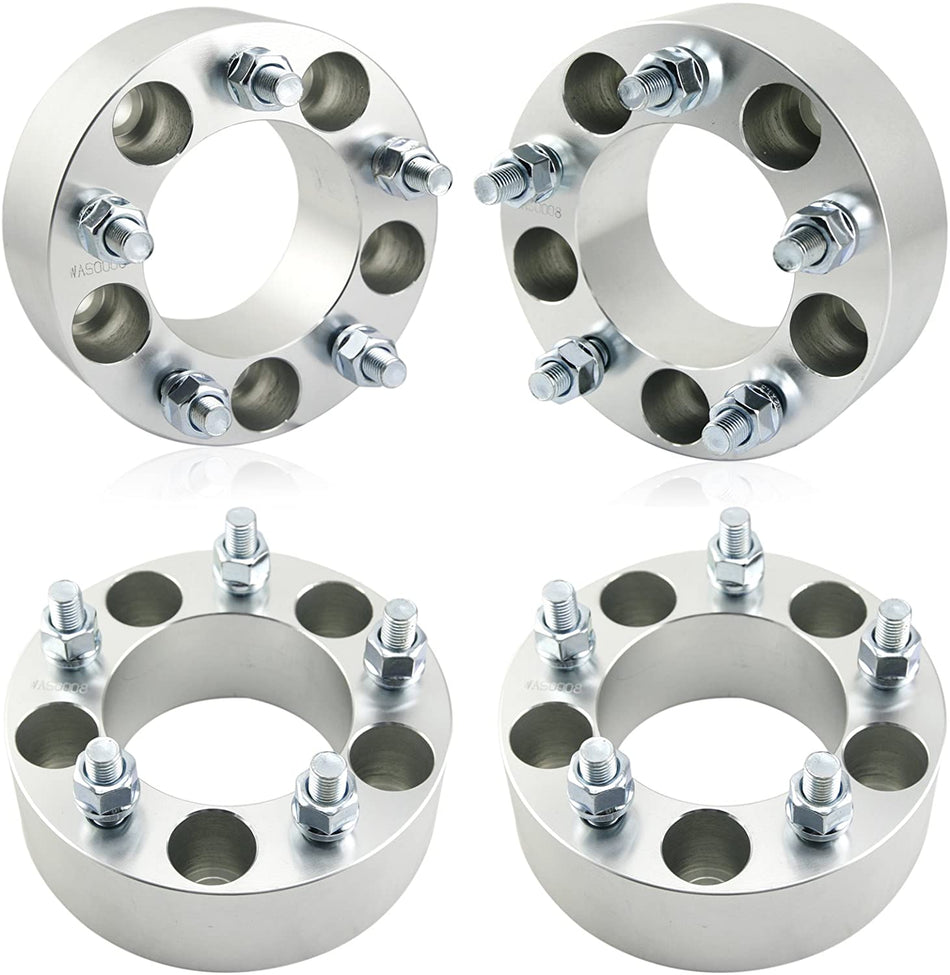
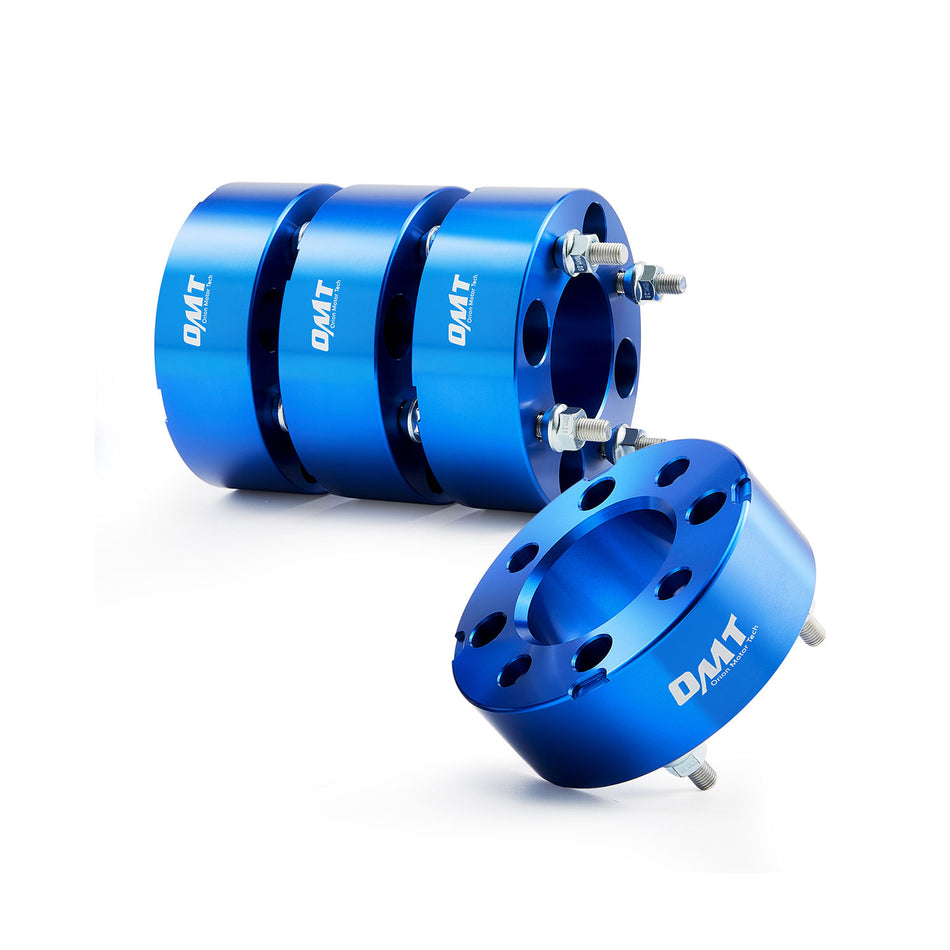
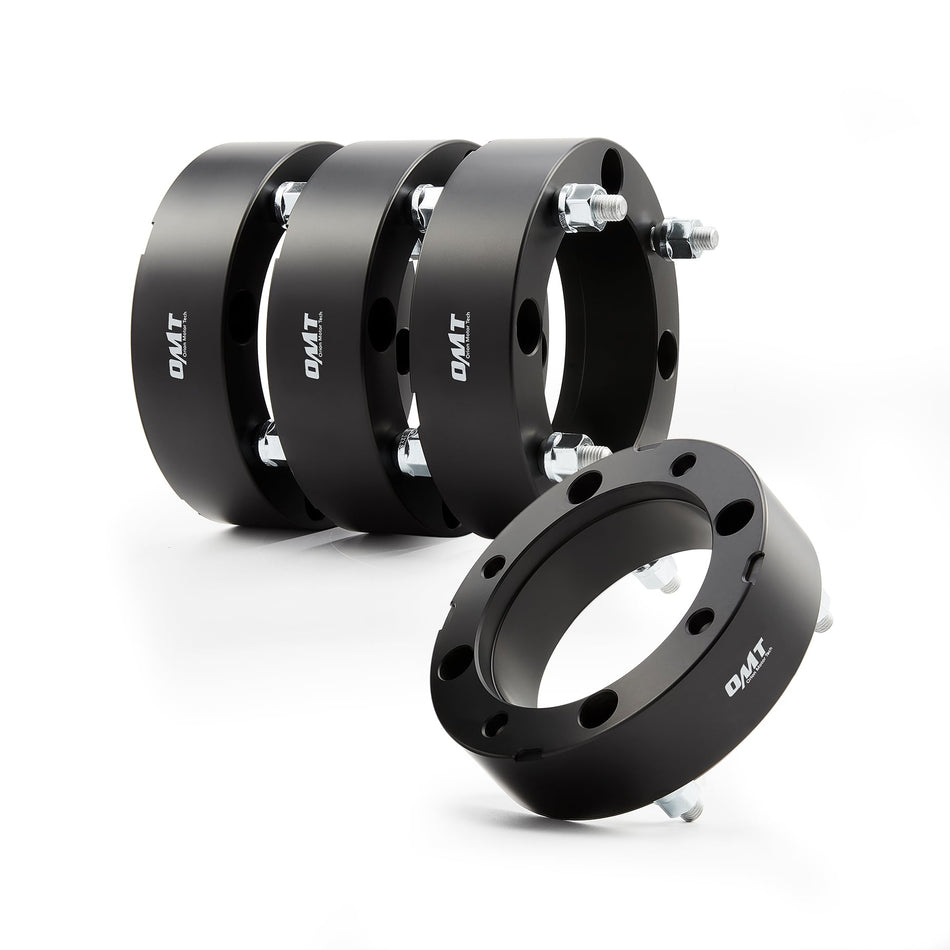
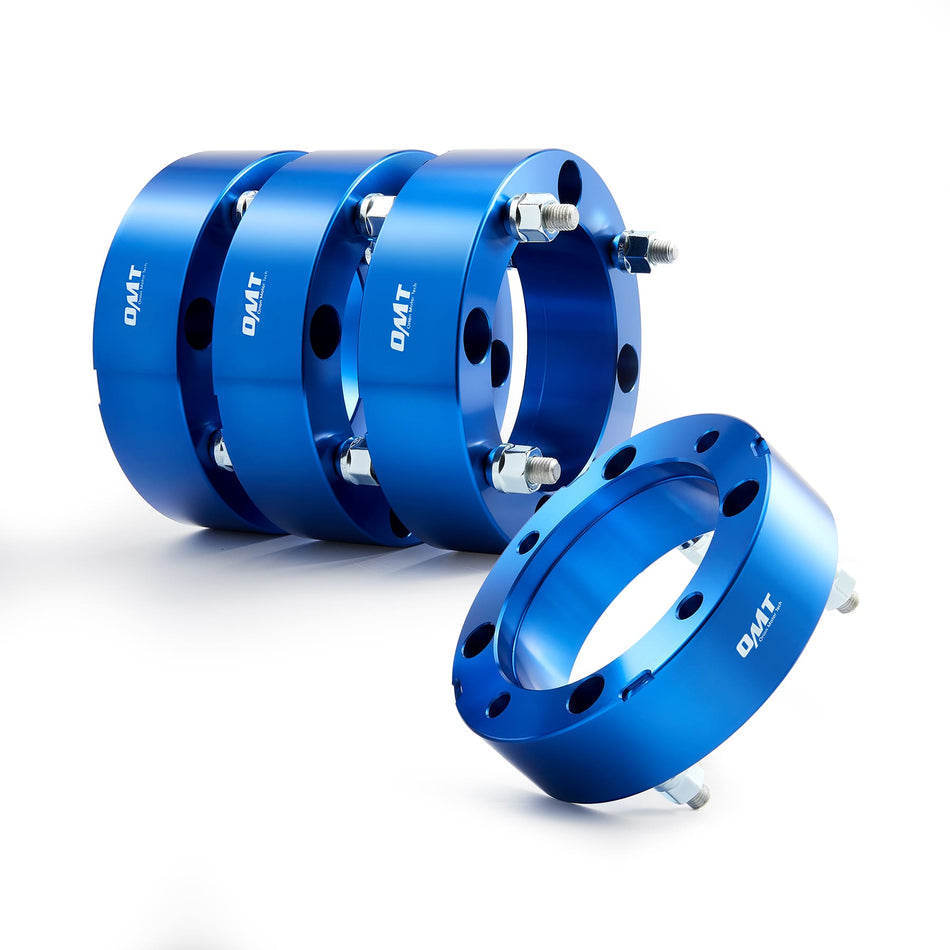
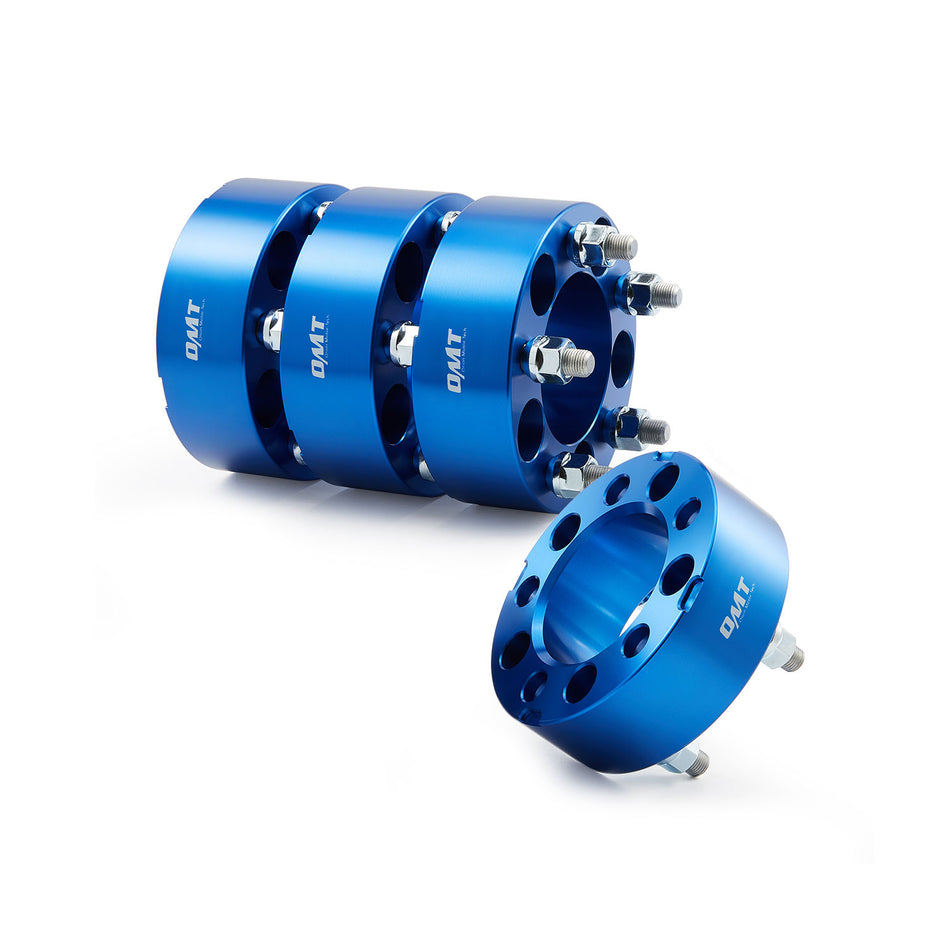
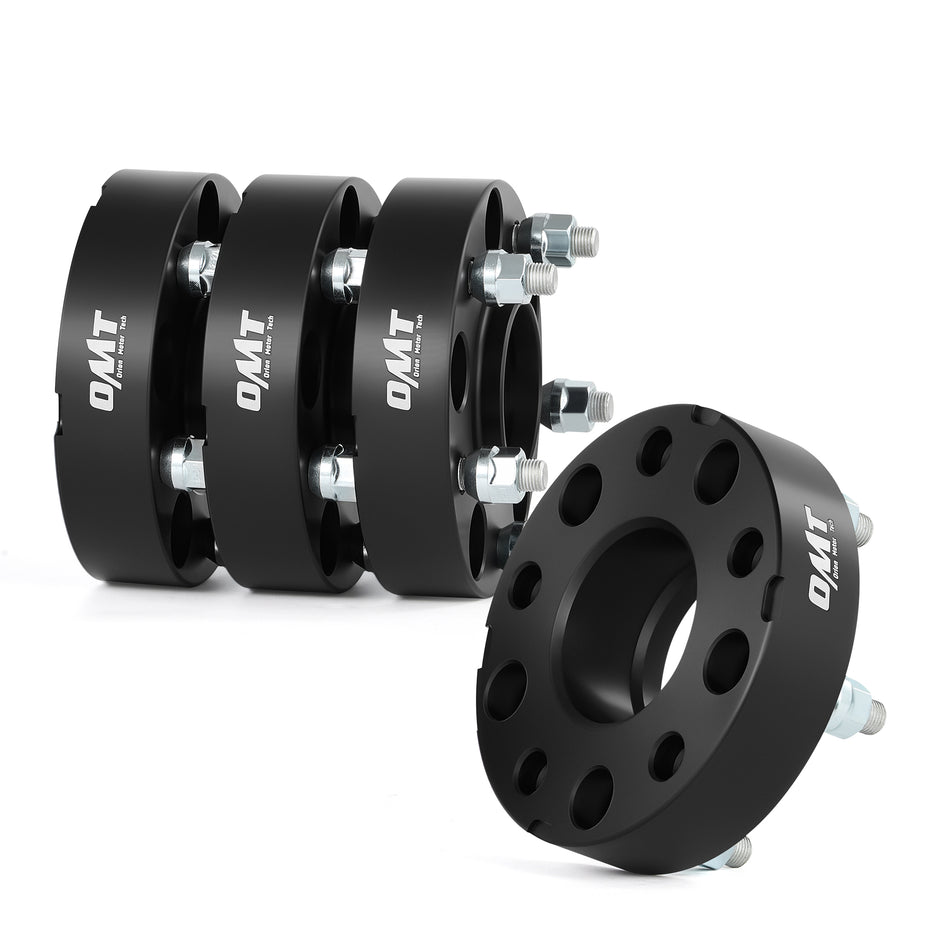
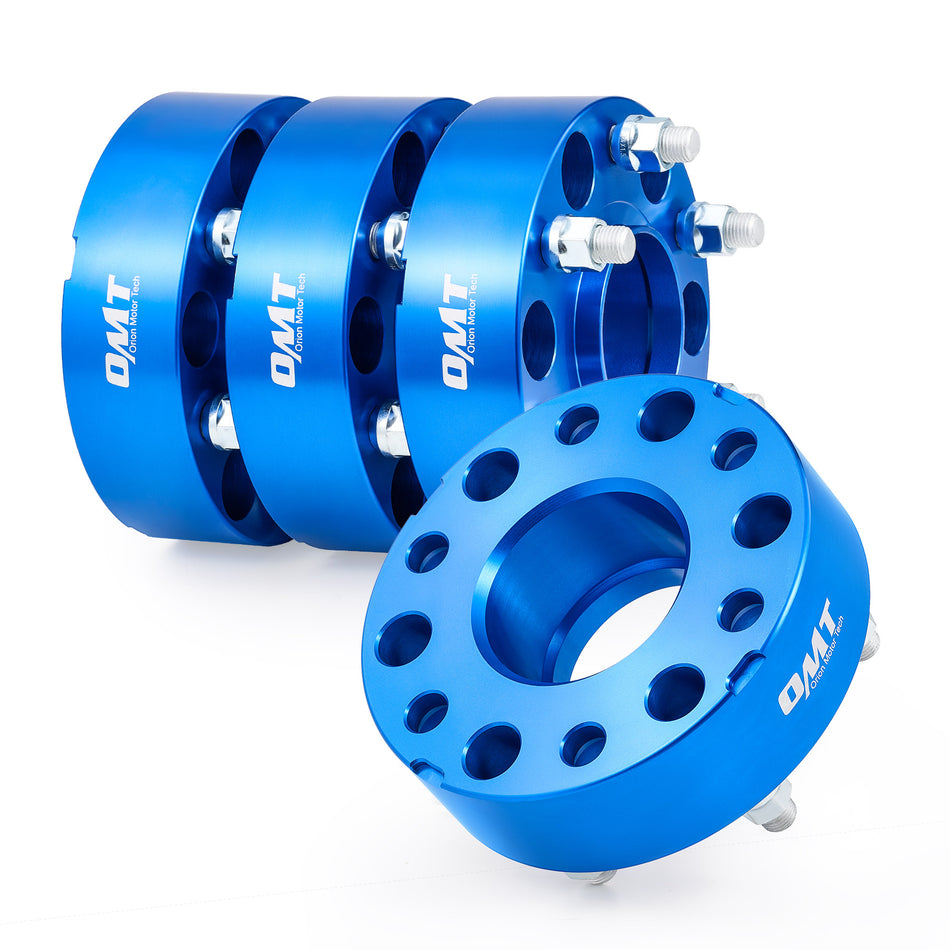
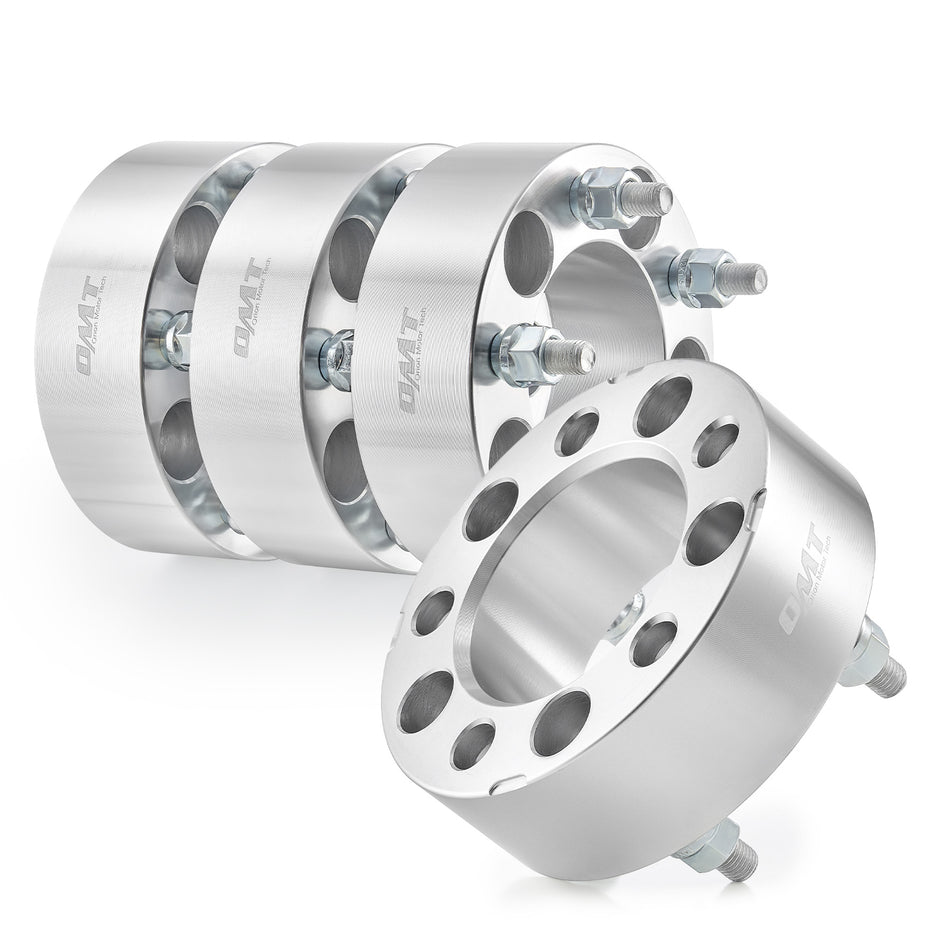
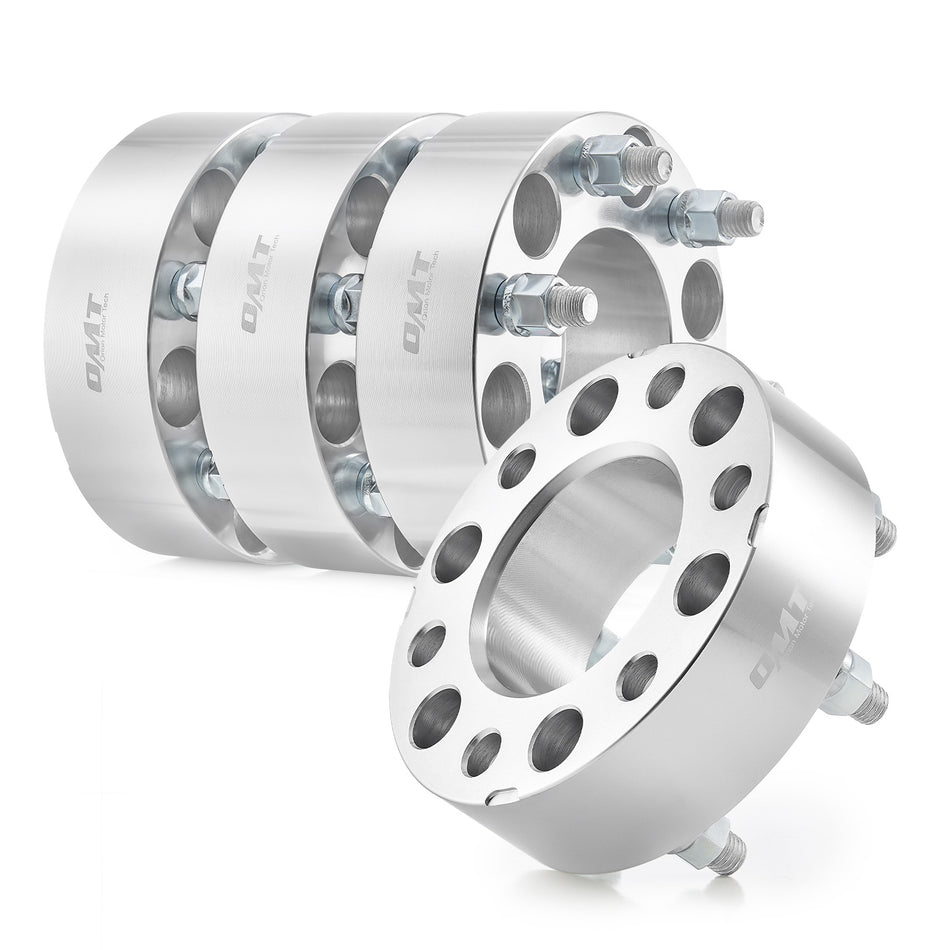
Choosing the right wheel spacers and adapters can make a big difference in your vehicle’s performance, handling, and overall look. With so many options—from hub-centric to lug-centric wheel adapters, and from light-duty passenger car wheel spacers to heavy-duty truck or off-road spacers—it’s easy to get overwhelmed. This guide will help you understand the key factors, including bolt patterns, material quality, thickness, and so on, so you can make an informed decision and safely enhance your ride.
Your Purpose and Goals
Before choosing spacers for wheels, it’s essential to clearly define your driving needs and objectives, as different applications require different types of spacers.
For everyday driving, a slight increase in track width—typically 5mm to 15mm—is sufficient to improve the vehicle’s stance without affecting handling or safety.
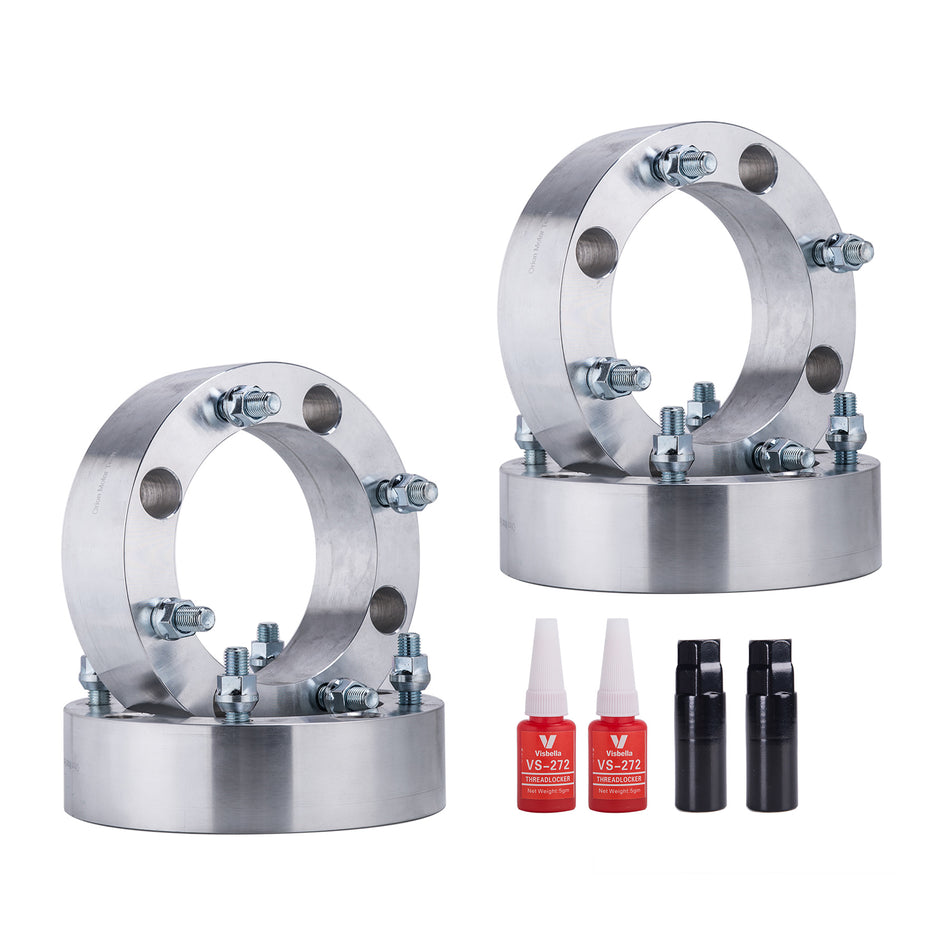
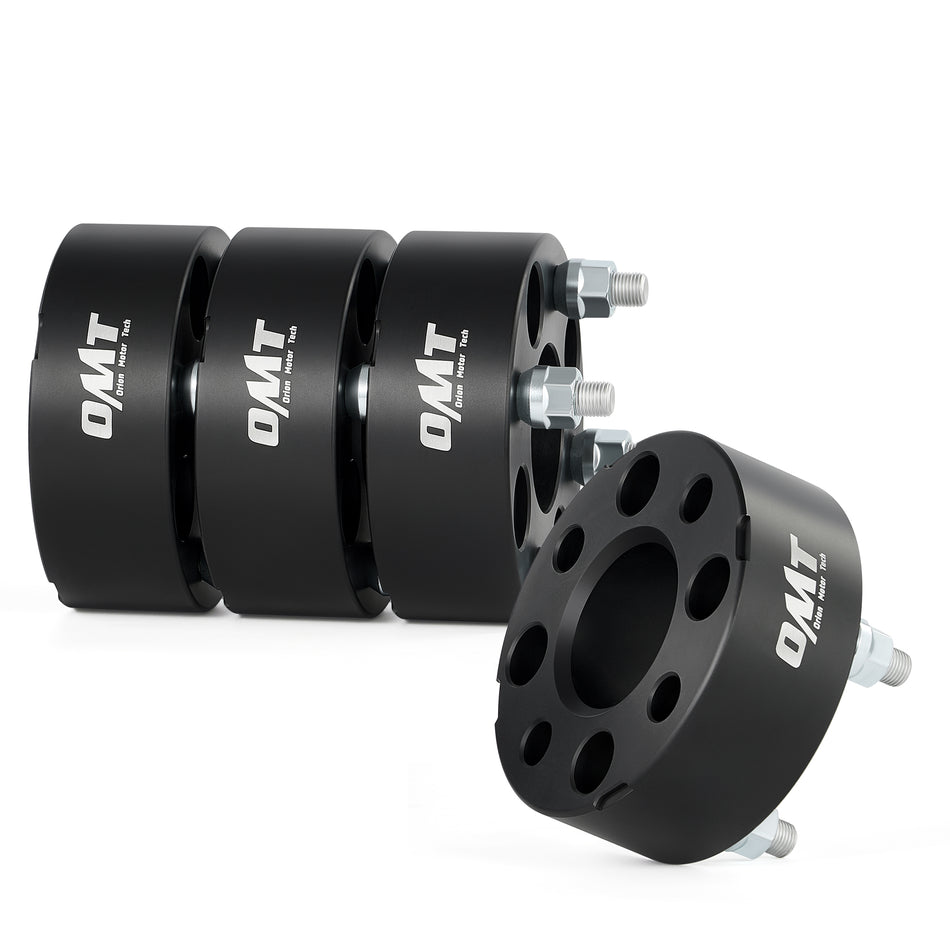
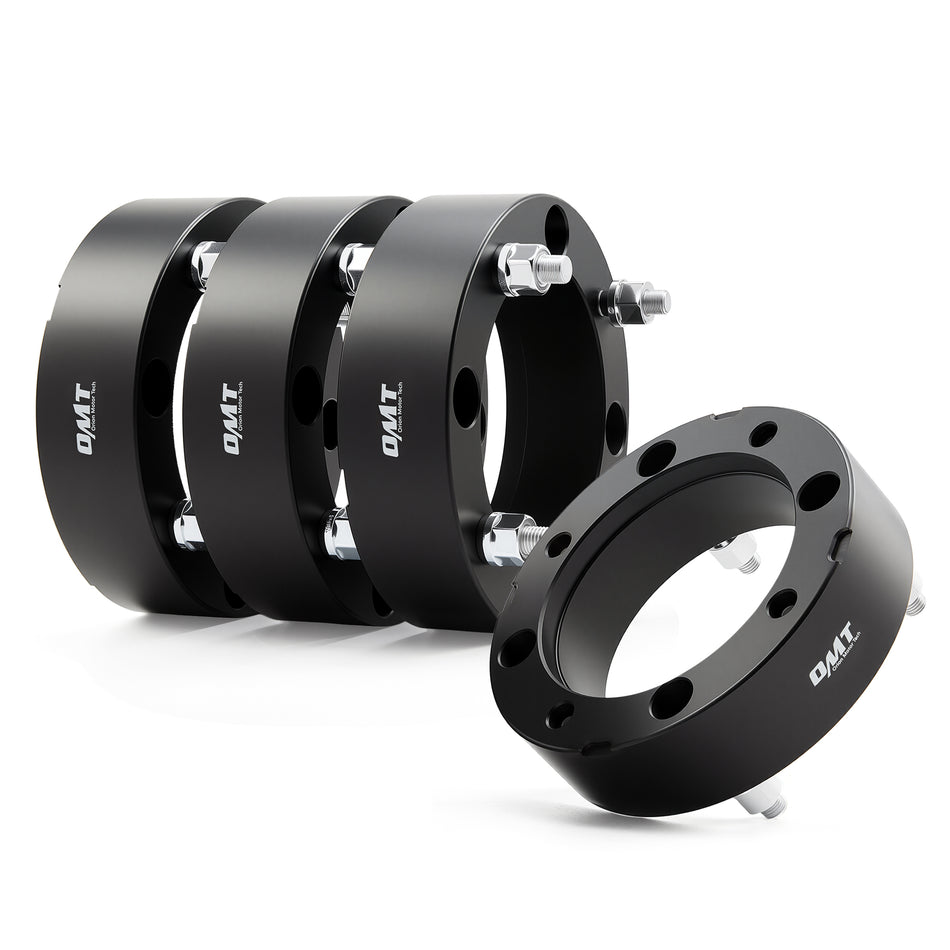
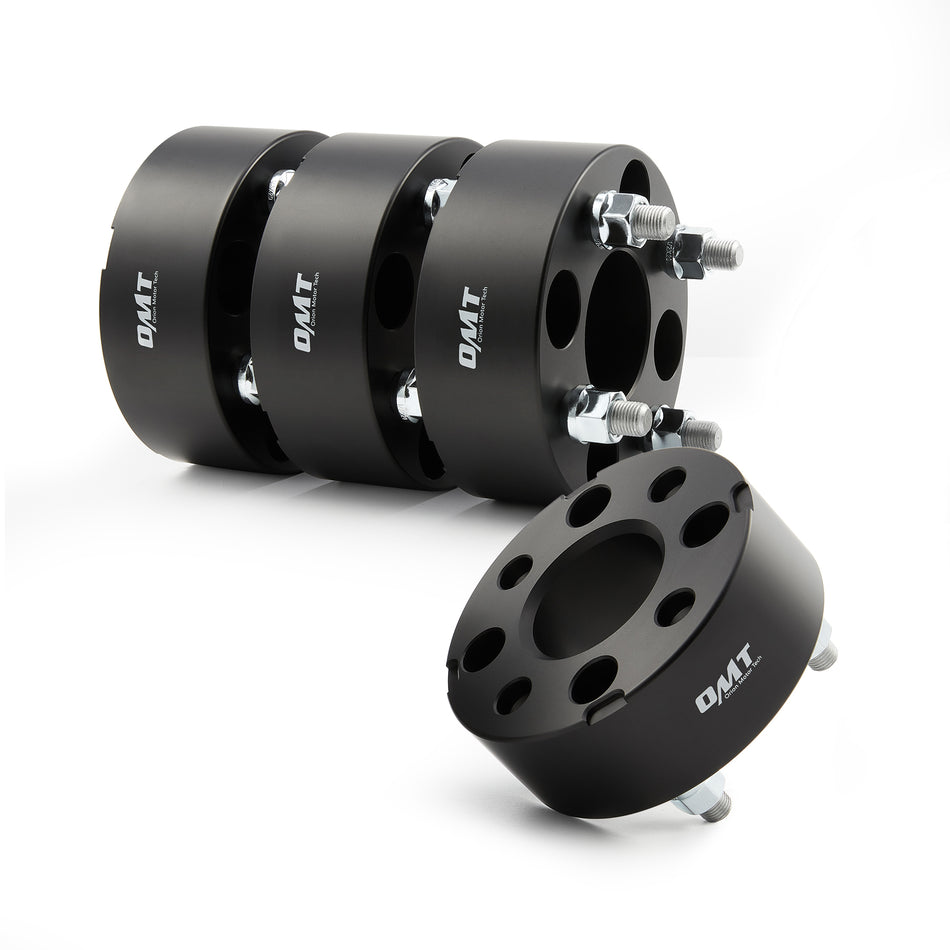
If you’re into off-roading, wider ATV/UTV wheel spacers can enhance stability, improve cornering, and provide better clearance for rough terrain.
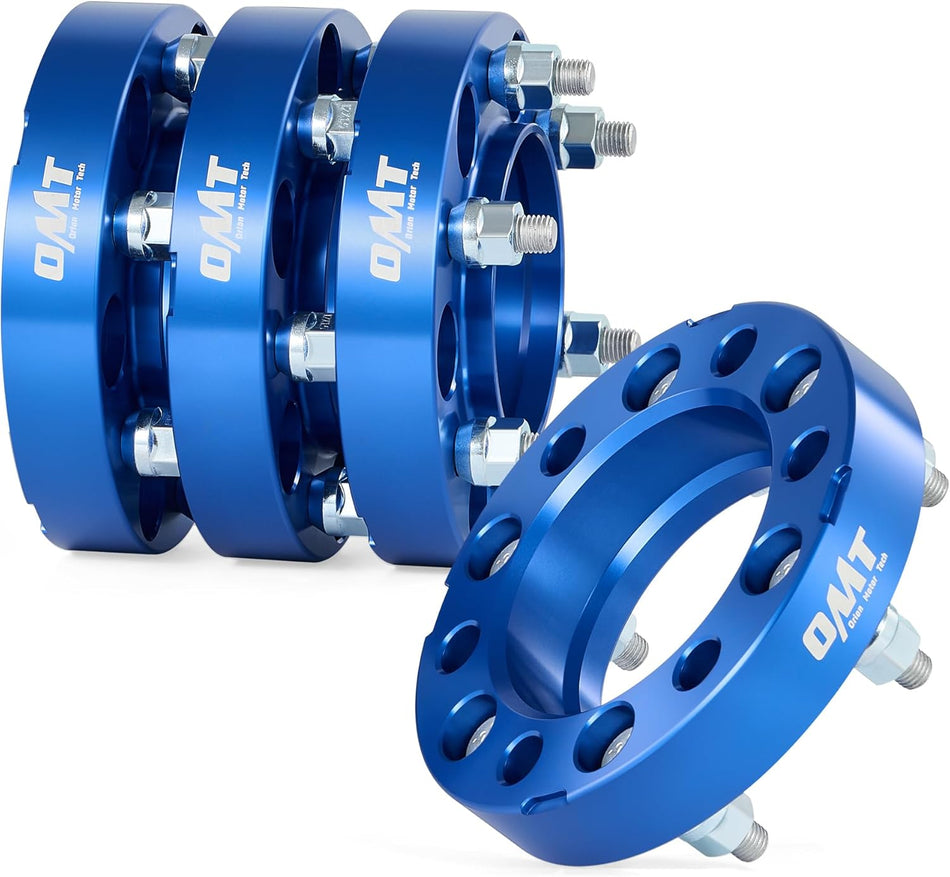
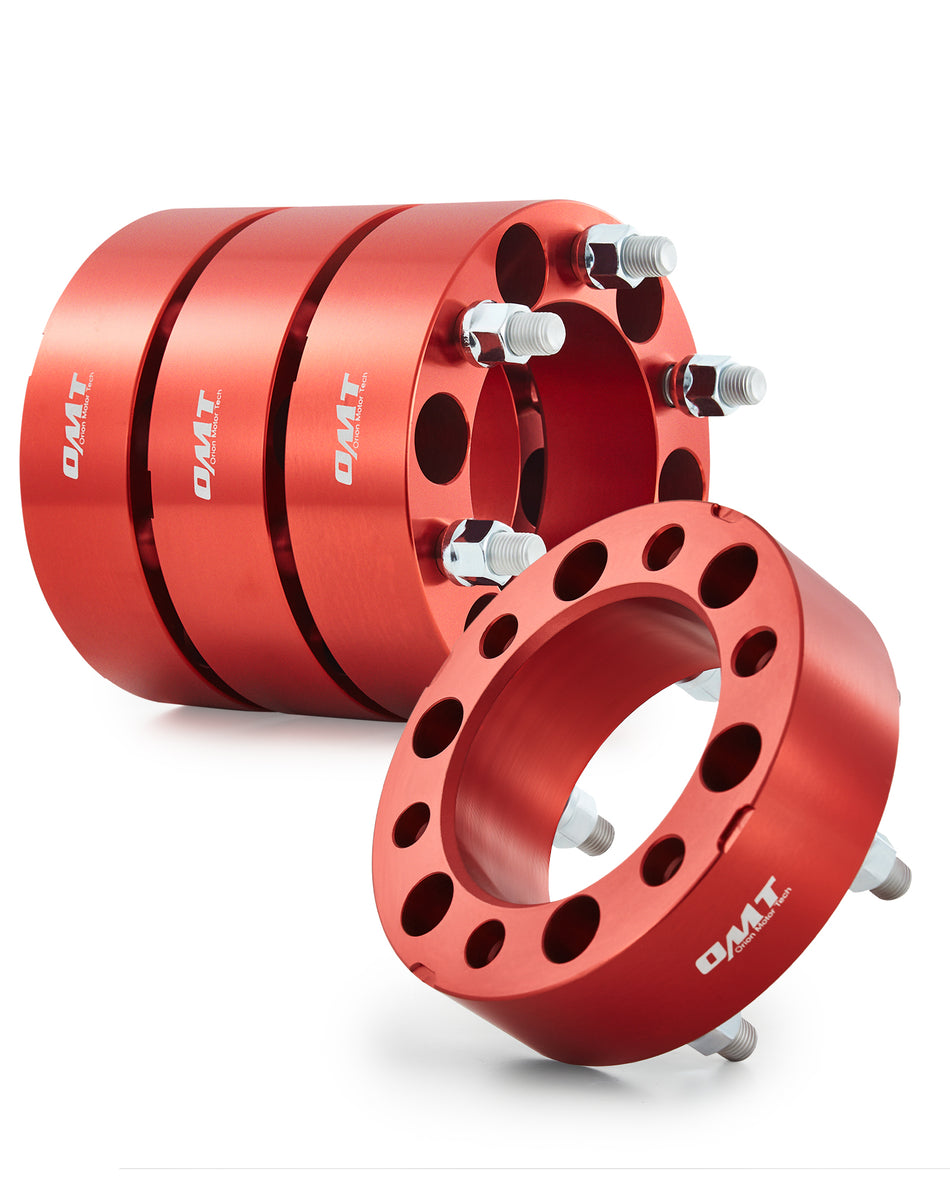
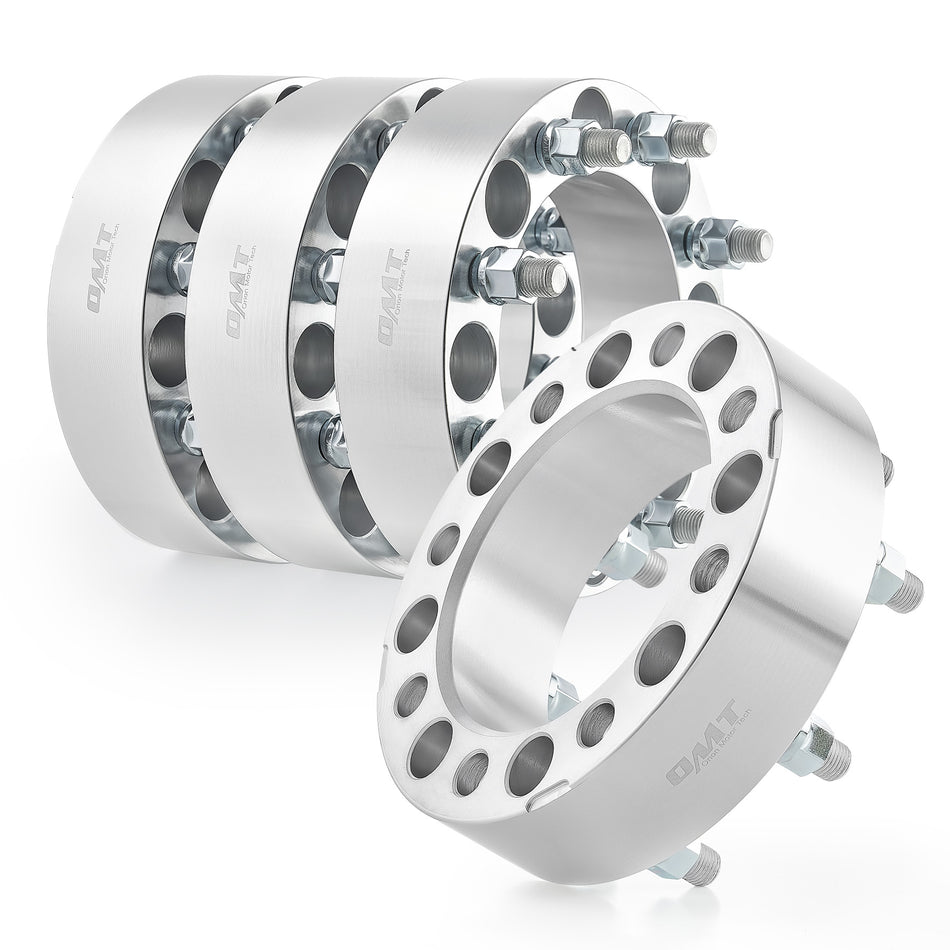
For trucks, common options include truck wheel spacers, and dually wheel spacers, which provide better stability, allow for larger tires, and improve track width.
For those installing larger tires or custom wheels, thicker spacers are often necessary to achieve the proper fitment and avoid rubbing against suspension components.
Your Vehicle’s Bolt Pattern
One of the most critical steps in choosing the right wheel hub spacers is determining your vehicle’s bolt pattern, also known as the PCD (Pitch Circle Diameter). The bolt pattern ensures that the spacer aligns perfectly with your wheel hubs and lug bolts. Choosing the wrong bolt pattern can make installation impossible and compromise safety.
Common Bolt Pattern
5x100
Honda, Mini Cooper
Hub-centric
6061 T6 aluminum or billet
5x112
Audi, VW
Hubcentric
Lightweight, precise fit
5x114.3
Toyota, Honda, Nissan
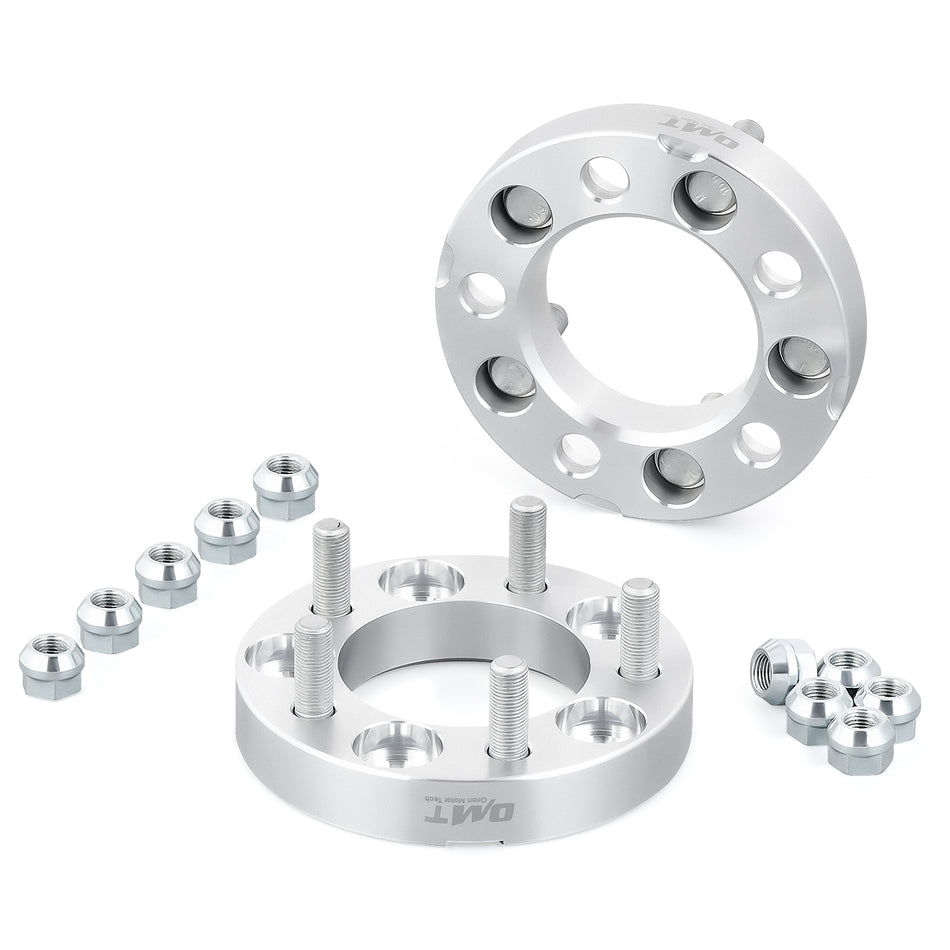
5x114.3 wheel hub spacers, hub-centric
Popular choice for daily drivers
5x120
BMW, Cadillac
Hub-centric wheel hub spacers
High-strength aluminum recommended
5x4.5
Older GM vehicles
Lug-centric wheel hub spacers
Ensure proper torque spec
6x5.5
Ford F-150, Dodge Ram
6x5.5, hub-centric
Supports larger tires
6x139.7
Chevy Silverado, GMC Sierra
6061 T6 aluminum
Heavy-duty trucks
8x6.5
Ram 3500, Ford F350
8x6.5
Designed for dual rear wheels
8x170
Heavy-duty trucks
Hub-centric / billet aluminum
Max load-bearing capacity
8x180
Ford Super Duty, Dodge Dually
6061 T6 billet aluminum
Supports custom rims and offsets
8x200 / 8x210
Commercial & industrial trucks
Hub-centric spacers
Extreme heavy-duty use
Material and Manufacturing Process
6061-T6 aluminum wheel spacers and billet aluminum spacers are often the top choice for daily driving, off-road adventures, and custom wheel setups, thanks to their excellent balance of lightweight performance and structural integrity.
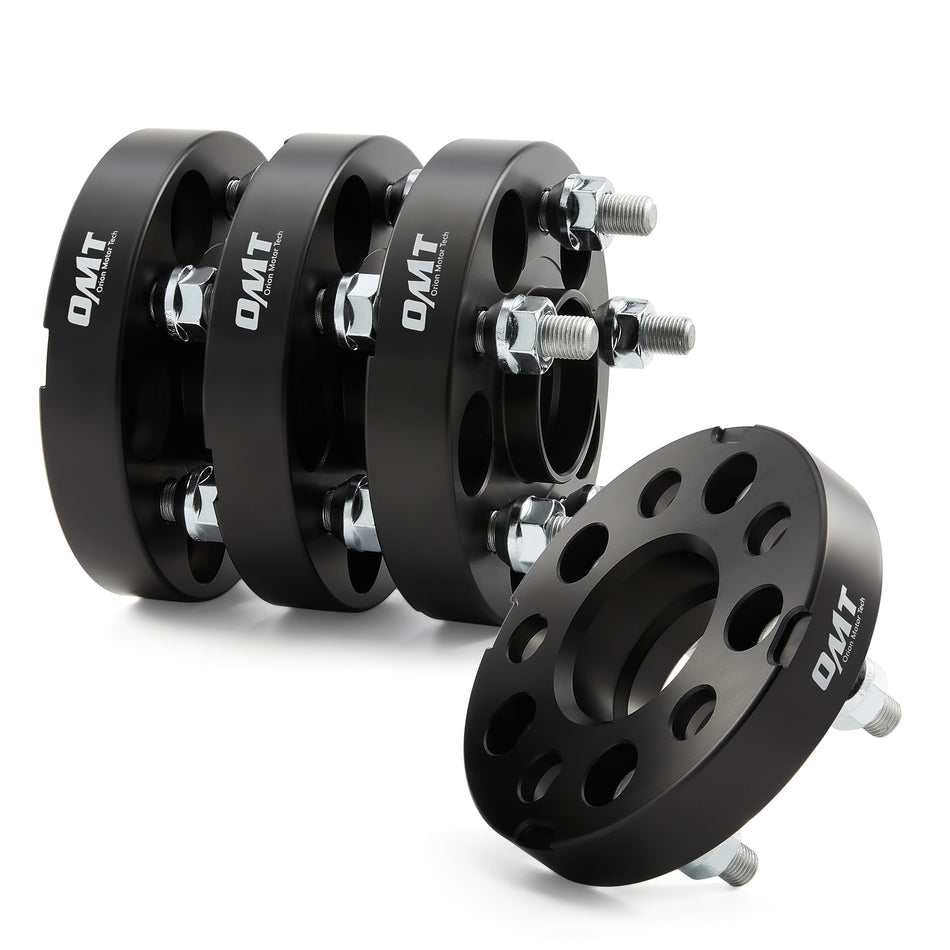
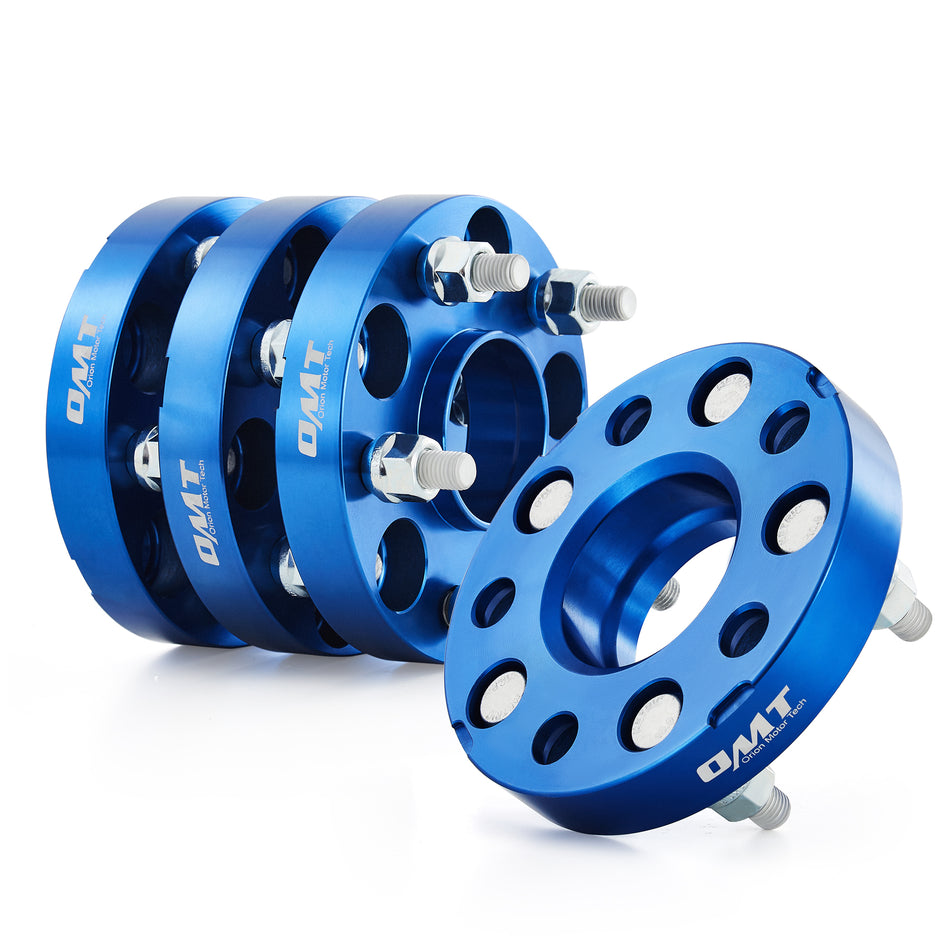
Additionally, hub-centric wheel spacers and hub spacers wheels benefit from precise CNC or billet manufacturing, which ensures a perfect fit on the hub, reduces vibrations, and improves overall safety compared to generic lug-centric wheel spacers.
Common Material
6061-T6 Aluminum
High strength, corrosion-resistant, lightweight
Most wheel spacers for cars, SUVs, and off-road vehicles; commonly used in hub-centric and 6061 T6 billet aluminum wheel spacers
Forged Aluminum
Even higher strength, extremely durable
High-performance vehicles, heavy-duty trucks, and off-road setups that demand maximum reliability
Steel
Maximum strength, low cost
Commercial trucks and industrial vehicles; less common for everyday cars due to weight and corrosion potential
Size / Offset
Choosing the correct thickness or offset for your automotive wheel spacers is essential for both performance and safety. Different spacer thicknesses serve different purposes, from subtle aesthetic improvements to major modifications for off-road or custom setups.
Using spacers that are too thick can interfere with suspension components, steering geometry, or hub alignment, potentially affecting handling and safety.
- 5mm–15mm (≈ 0.2–0.6 inch)
Slight track widening, ideal for daily driving upgrades, improving vehicle stance without affecting handling or hub alignment. Perfect for 5x114.3 automotive wheel spacers, hub-centric wheel spacers, and light aftermarket enhancements.
- 20mm–30mm (≈ 0.6–1.2 inch)
Moderate widening, which can significantly improve stability, cornering performance, and vehicle appearance. Often used with hub centric spacers or 6061 T6 aluminum automotive wheel spacers on SUVs, trucks, and crossover vehicles.
Heavy-duty widening for off-road vehicles, lifted trucks, or vehicles with oversized wheels/tires. Thick spacers ensure proper clearance between rims, suspension components, and fenders, especially for truck wheel spacers and dual rear wheel setups like dually wheel spacers.
Common Spacer Size
1/4 inch automotive wheel spacers
6 mm
Slight track widening, minor aesthetic adjustments for passenger cars
3/8 automotive wheel spacers
9.5 mm
Mild clearance improvement for wheels and tires
1/2 inch wheel spacers
12 mm
Small upgrades for daily driving or slightly wider stance
10 mm wheel adapters
10 mm
Similar to 3/8–1/2 inch, common for 5x114.3 wheel spacers
15 mm wheel adapters
15 mm
Moderate track widening, improves stability and visual stance
1 inch wheel adapters
25 mm
Noticeable offset increase; suitable for trucks, SUVs, or lifted vehicles
1.25 inch / 1 1/4 wheel adapters
32 mm
Adds extra clearance for larger tires or aftermarket wheels
1.5 inch / 1 1/2 inch wheel adapters
38 mm
Enhances stability, ideal for off-road or custom setups
2 inch automotive wheel spacers
50 mm
Heavy-duty widening, common for trucks, duallies, or off-road use
2.5 inch wheel adapters
63 mm
Substantial track widening; requires careful check of suspension clearance
3 inch wheel hub spacers
76 mm
Aggressive offset; often used with oversized wheels/tires or extreme off-road setups
4 inch wheel hub spacers
102 mm
Custom heavy-duty applications; may affect handling if misused
5 inch wheel hub spacers
127 mm
Extreme offset; only for specialized vehicles and lifted trucks
20 mm wheel adapters
0.79 inch
Moderate widening; ideal for SUV/Truck aesthetics and stability
25 mm wheel adapters
0.98 inch
Near 1 inch; commonly used for truck wheel spacers and heavy-duty setups
Hub-Centric vs Lug-Centric Wheel Spacers
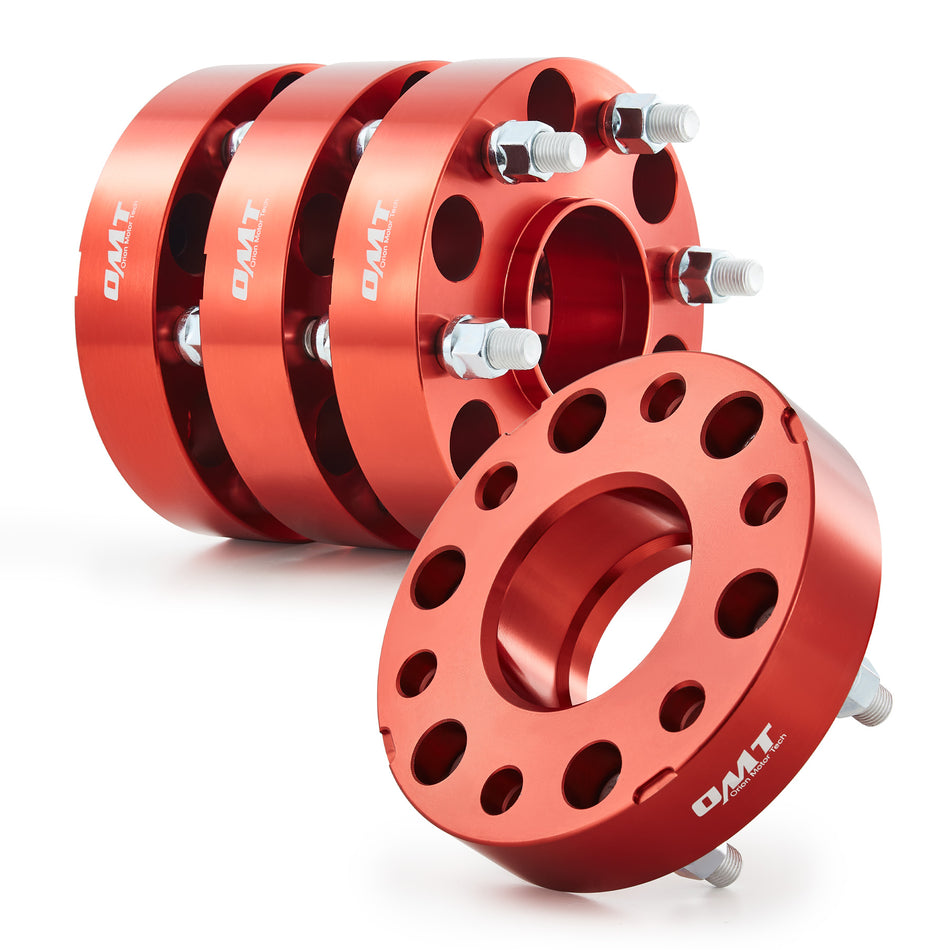
When selecting automotive wheel spacers, understanding the difference between hub-centric and lug-centric designs is crucial for safety, stability, and vibration-free performance.
Hub-Centric Wheel Spacers
Hub-centric spacers are designed so that the center bore of the spacer fits perfectly onto the vehicle’s hub. This alignment ensures that the weight of the wheel is evenly supported by the hub rather than the lug nuts, resulting in:
- Reduced vibrations at higher speeds
- Improved wheel stability
- Better load distribution for heavy-duty or off-road applications
Hub-centric designs are ideal for both daily driving and truck wheel spacers, including setups like dually wheel spacers or 2 inch wheel spacers for trucks.
Lug-Centric Wheel Spacers
Lug-centric spacers rely solely on the lug nuts to center the wheel. While they can work for lighter vehicles or temporary setups, they are generally less stable than hub-centric spacers because:
- Misalignment may occur if lug nuts are not evenly torqued
- Higher risk of vibrations, especially on heavier wheels or trucks
- Unsuitable for high-performance, off-road, or large-diameter wheels
Safety & Torque Specifications for Wheel Spacers and Adapters
Proper installation of automotive wheel spacers is critical for vehicle safety and performance. One of the most important factors is adhering strictly to the torque specifications (torque spec) for automotive wheel spacers.
Most automotive wheel spacers require precise torque when tightening the lug nuts. Using a torque wrench ensures that each lug nut is tightened to the manufacturer’s recommended specification, preventing uneven pressure or overstressing the bolts.
After installation, it’s essential to recheck all lug nuts and bolts after the first few miles of driving. This ensures that the spacers and wheels are seated correctly and that no bolts have loosened due to settling or vibration.
Risks of Ignoring Torque Specs
- Loose lug nuts, which can compromise wheel stability
- Excessive vibration during driving
- Potential wheel or hub detachment, leading to dangerous accidents
Vehicle-Specific
Selecting the right car wheel spacers is not just about thickness or bolt pattern—it also depends on your vehicle make and model. Many car wheel spacers are designed as vehicle-specific, ensuring perfect fitment, hub alignment, and safe installation.
Popular choices include Ford F150/F250 wheel spacers, Ram 1500 /2500/3500 dually wheel spacers. Off-road enthusiasts often choose Jeep wheel spacers, including Jeep Wrangler wheel adapters, Jeep JK wheel adapters, Jeep JKU wheel adapters and Jeep TJ wheel adapters, to improve track width and clearance. For Toyota vehicles, options like Toyota Tacoma/Tundra/4Runner wheel spacers provide better stability and accommodate larger tires.